
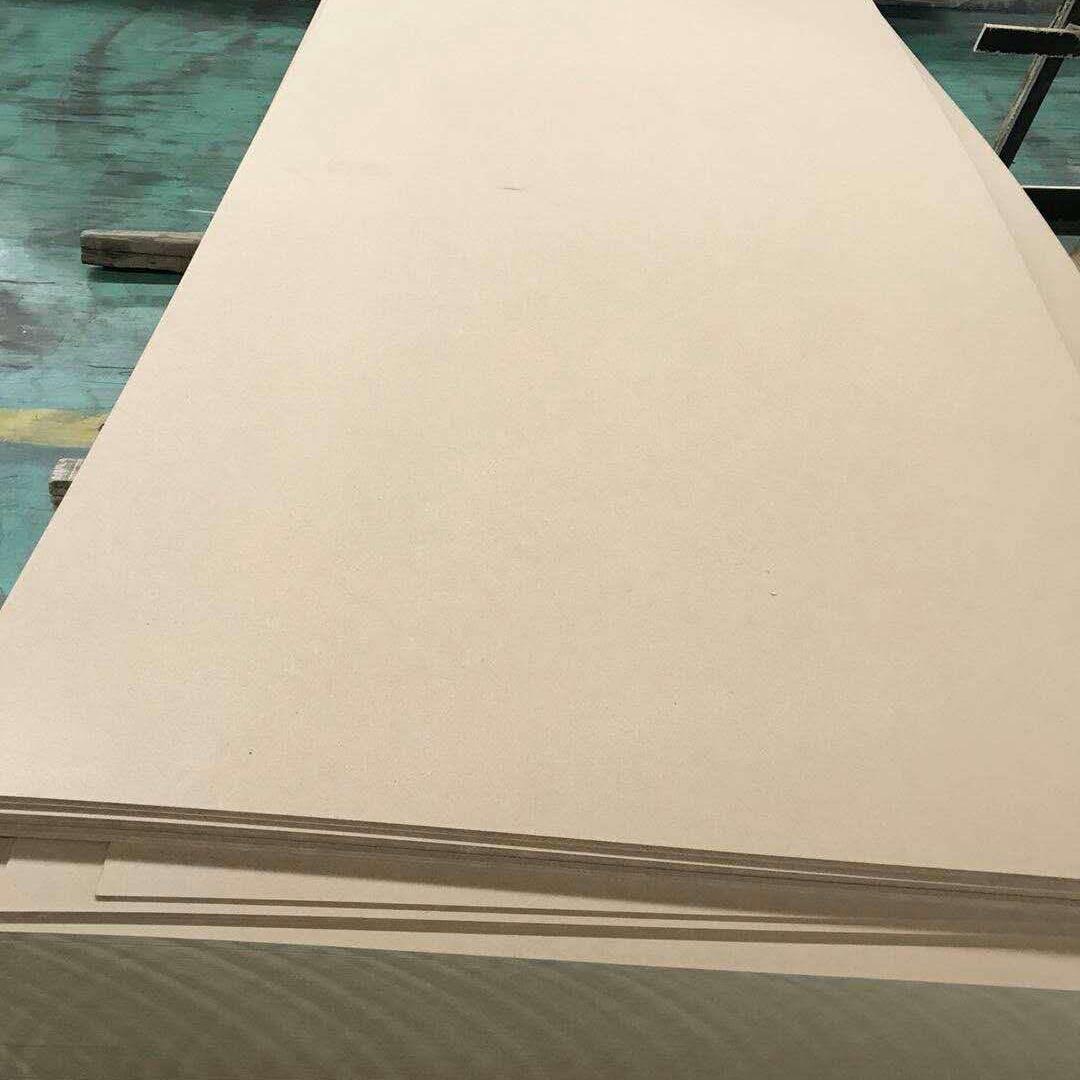
In today’s competitive market, polyvinyl chloride (PVC) foam boards have emerged as a favored material across various industries, offering versatile applications that range from signage and construction to interior decoration and packaging. Recently, a comprehensive pricelist of polyvinyl chloride foam boards has been released, providing valuable insights into pricing trends and product options available to businesses and consumers alike. Alongside this, notable players within the wood and composite materials sector are emphasizing their expertise to meet growing market demand with innovative and high-quality products.
**Understanding the Polyvinyl Chloride Foam Board Market**
Polyvinyl chloride foam boards are lightweight, rigid panels made from PVC resin, combined with a foam core that provides durability, weather resistance, and dimensional stability. These boards are widely recognized for their ease of fabrication, resistance to moisture and chemicals, and superior insulation properties. As industries seek sustainable and cost-effective alternatives to traditional materials, the demand for PVC foam boards continues to increase.
The recently published pricelist reflects the current market dynamics, influenced by factors such as raw material availability, manufacturing costs, and regional supply chains. Prices vary depending on board thickness, density, surface finish, and additional features like UV protection or fire retardancy. For example, thinner boards used for interior signage or packaging tend to be priced lower, while thicker, specialized panels designed for outdoor applications command higher prices due to enhanced durability and performance.
**Key Price Points and Market Trends**
According to the pricelist, polyvinyl chloride foam boards typically range in price from moderate to premium levels based on product specifications:
- Entry-level foam boards measuring 3mm in thickness, commonly used for indoor displays, are priced affordably to meet budget-conscious demands.
- Mid-range options between 5mm and 10mm thickness serve industries like construction and cabinetry, offering a balance between strength and cost.
- Premium variants, featuring advanced coatings, fire resistance, or increased density for outdoor durability, carry higher price tags reflecting their enhanced properties.
This pricing structure aligns with increasing customization and demand for multi-functional materials that combine aesthetics with performance. Market analysts note that the trend toward sustainable building practices and environmentally friendly materials is also driving manufacturers to innovate coatings and formulations that reduce environmental impact without sacrificing quality.
**Industry Expertise: A Critical Factor in Product Quality**
Navigating this evolving landscape requires more than just competitive pricing—it demands deep industry expertise and production proficiency. One company that exemplifies this approach is a leading player in the wood and composite materials industry, well known for its robust knowledge and skilled workforce dedicated to wood products manufacturing.
With decades of experience, this company leverages its thorough understanding of material science and customer needs to produce a broad range of foam board products tailored for various applications. Their team’s seasoned expertise ensures that each product conforms to rigorous quality standards, from raw material selection through production and final inspection.
This comprehensive approach has enabled the company to build a proven track record of delivering reliable, high-performance foam boards that meet the diverse requirements of clients across multiple sectors. Whether for architectural panels, retail fixtures, or custom fabrication projects, their products combine material innovation with craftsmanship to deliver optimal results.
**Customer-Centric Production and Innovation**
In addition to traditional manufacturing strengths, the company continually invests in research and development to expand its product offerings. By staying attuned to market trends and customer feedback, they adapt quickly to changes in demand—such as the growing popularity of lightweight, easy-to-install panels that reduce labor and shipping costs.
Moreover, their comprehensive understanding of wood and composite materials allows integration of eco-friendly initiatives, such as using recycled content in foam cores and developing low-VOC (volatile organic compound) surface treatments. These efforts support sustainability goals without compromising the physical or aesthetic qualities important to customers.
The company’s commitment to customer satisfaction extends into personalized service, including technical consultation and logistical support to ensure timely delivery and optimal product performance. This holistic approach has positioned them as a trusted supplier in a market increasingly focused on quality, reliability, and environmental responsibility.
**Looking Ahead: The Future of Polyvinyl Chloride Foam Boards**
As industries evolve and material demands grow more sophisticated, PVC foam boards will continue to play a pivotal role in construction, signage, and product design. Pricing structures will likely stabilize as supply chains mature, while product enhancements driven by innovation will provide customers with greater choices tailored to their specific needs.
Companies that combine pricing competitiveness with proven expertise and a commitment to quality and sustainability will lead the way. Their ability to align technical proficiency with market demands will foster stronger partnerships and drive growth in this dynamic segment.
**Conclusion**
The release of the famous polyvinyl chloride foam board pricelist offers vital market transparency and aids buyers in making informed decisions. Backed by the capabilities of established industry leaders with deep experience in wood and composite products, consumers and businesses can confidently access PVC foam boards that meet stringent quality and performance expectations.
As the market expands and diversifies, the synergy between material innovation, expert manufacturing, and customer-centric solutions will define success. This ongoing evolution promises exciting opportunities for manufacturers, suppliers, and end-users who seek durable, versatile, and sustainable foam board solutions for their projects.